
Handlebar Grips – Material Comparison & Applications
Handlebar grips are one of the most crucial elements when it comes to comfort, control, and safety while riding a bicycle. A good pair of grips can improve your riding experience significantly, offering superior comfort, better grip, and greater durability. With a variety of materials available for handlebar grips, cyclists have an array of choices to suit their riding style, preferences, and the environment in which they ride. In this article, we will take a deep dive into the different materials used for handlebar grips, comparing their features, advantages, disadvantages, and typical applications, along with some design tips to help you select the best grips for your needs.
Material Comparison Table
| Material | Main Features | Advantages | Disadvantages | Typical Applications |
|---|---|---|---|---|
| Rubber | Traditional elastic compound | Excellent grip, anti-slip, durable, affordable | May feel sticky in heat, average shock absorption | Mountain bikes, city bikes |
| Silicone | Soft, high-resilience compound | Superior comfort and shock absorption, sweat-resistant, UV-resistant | Higher cost, attracts dust | Mountain bikes, long-distance rides |
| EVA Foam | Ultra-light foam material | Comfortable, sweat-absorbing, lightweight | Less durable, prone to wear | Road bikes, leisure bikes |
| TPE (Thermoplastic Elastomer) | Modern eco-friendly material | Soft touch similar to silicone, non-slip, recyclable | Slightly higher cost, grip varies by formulation | Mid to high-end MTBs and road bikes |
| PVC (Polyvinyl Chloride) | Cost-effective plastic material | Low cost, wide color range, easy to mold | Less breathable, hardens in cold weather | Entry-level city bikes, kids’ bikes |
| PU (Polyurethane Leather) | Synthetic leather finish | Elegant look, abrasion-resistant, weatherproof | Limited cushioning, slippery when wet | Urban and vintage-style bikes |
| Foam Sponge | Classic foam construction | Soft and comfortable, low price | Absorbs water, wears quickly | Commuter bikes |
| Cork Composite | Natural cork and rubber blend | Lightweight, sweat-absorbing, eco-friendly | Stains easily, moderate durability | Touring and road bikes |
| Leather | Premium natural material | Luxurious feel, breathable, long lifespan | Requires care, not waterproof, expensive | High-end classic and vintage bikes |
| Lock-on Rubber | Rubber with alloy lock rings | Secure fit, no slipping, easy maintenance | Slightly heavier, higher cost | Professional MTB, competition use |
Material Breakdown
Rubber
Rubber has been the most common material used for handlebar grips for decades. Its elastic nature provides excellent grip, making it the ideal choice for mountain biking and city bikes. Rubber grips are known for their anti-slip properties, even in wet conditions. Additionally, rubber grips are durable and affordable, making them a popular choice for entry-level and mid-range bikes. However, in very hot conditions, rubber grips can become sticky, and they offer only average shock absorption, which can be less comfortable on rough terrain.
Silicone
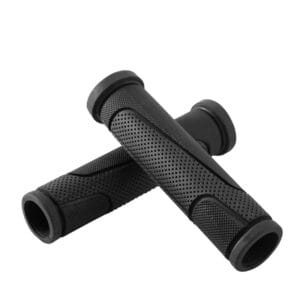
Silicone grips are made from a soft, high-resilience compound that provides superior comfort and shock absorption, making them an excellent choice for riders who prioritize comfort over durability. They are also sweat-resistant, UV-resistant, and can withstand prolonged exposure to sunlight without degradation. The primary disadvantage is their higher cost and tendency to attract dust, which can reduce their grip performance over time. Silicon grips are perfect for mountain bikes and long-distance rides where comfort is key.
EVA Foam
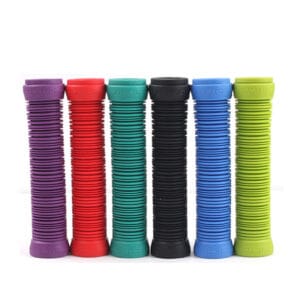
EVA (Ethylene Vinyl Acetate) foam grips are lightweight and comfortable. They offer excellent sweat absorption, which can be particularly beneficial for long rides or hot climates. However, EVA foam grips are less durable than rubber or silicone, and they are prone to wear and tear over time. This makes them better suited for road bikes and leisure bikes, where comfort is more important than long-lasting durability.
TPE (Thermoplastic Elastomer)
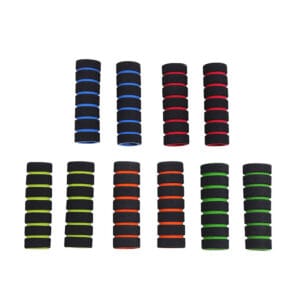
TPE is a modern, eco-friendly material that combines the best properties of rubber and plastic. It offers a soft touch similar to silicone but is non-slip and recyclable, making it an excellent choice for environmentally conscious riders. TPE grips provide a comfortable and durable solution, but they can come at a slightly higher cost. The grip quality may vary depending on the formulation, making it essential to test before purchasing. TPE grips are commonly found on mid to high-end mountain bikes and road bikes, where performance and comfort are priorities.
PVC (Polyvinyl Chloride)
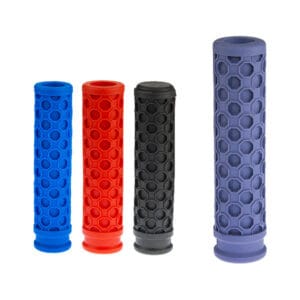
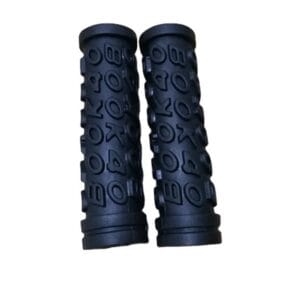
PVC grips are a cost-effective option for entry-level bicycles. They are easy to mold into different shapes and come in a wide range of colors, making them a popular choice for kids’ bikes and city bikes. While PVC grips are affordable, they lack breathability, and they tend to harden in cold weather, which can make them uncomfortable to use during colder months.
PU (Polyurethane Leather)
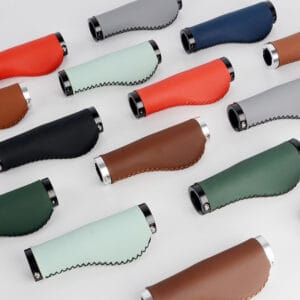
PU leather grips provide an elegant and stylish finish to any bike, especially urban and vintage-style bikes. These grips are abrasion-resistant and weatherproof, ensuring they maintain their appearance even after prolonged exposure to the elements. However, PU grips are limited in cushioning, and they can become slippery when wet, which can affect grip performance. Riders looking for a blend of style and function often choose PU leather grips.
Foam Sponge
Foam sponge grips offer a soft and comfortable feel, and they are typically very affordable. They are commonly used in commuter bikes due to their low cost and comfort. However, foam sponge grips absorb water and tend to wear quickly, which reduces their lifespan. These grips are best for shorter rides or those in drier climates.
Cork Composite
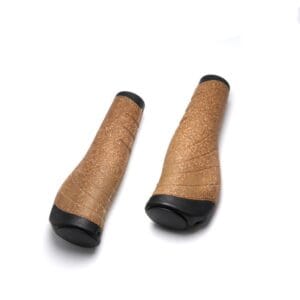
Cork composite grips combine natural cork with rubber, creating a lightweight and eco-friendly option for cyclists. Cork is known for its sweat-absorbing properties and soft touch, making it a great choice for touring and road bikes where long-distance comfort is a priority. The primary drawback is that cork grips tend to stain easily and have moderate durability, meaning they may require more frequent replacement than rubber grips.
Leather
Leather grips are the epitome of luxury and sophistication. They provide a breathable, comfortable ride with a long lifespan when properly cared for. However, leather grips are expensive, not waterproof, and require maintenance to preserve their quality. Leather grips are ideal for high-end classic and vintage bikes where style and longevity are prioritized over convenience or affordability.
Lock-on Rubber
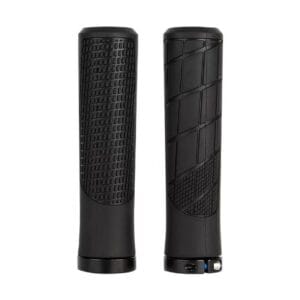
Lock-on grips feature rubber with alloy lock rings, ensuring a secure fit that prevents the grips from rotating or slipping during rides. This feature makes lock-on grips ideal for professional mountain biking and competitive use. They offer superior durability and comfort, but the downside is that they tend to be slightly heavier and more expensive than other grip options.
Grip Feel & Performance Recommendations
When selecting handlebar grips, the right material can make a significant difference in comfort, performance, and durability. Here are some recommendations based on riding preferences:
For Comfort and Shock Absorption: Choose silicone, TPE, or EVA foam grips. These materials excel at providing superior comfort by absorbing shocks and reducing hand fatigue, especially during long-distance rides or rough trails.
For Strong Grip and Durability: Rubber, lock-on rubber, and TPE grips are the best choices. These materials are known for their firm grip, which ensures a safe and secure hold on the handlebars, even in wet conditions. They also offer long-lasting durability.
For Lightweight and Long-Distance Rides: Silicone, EVA foam, and cork composite grips are ideal for riders seeking comfort without adding too much weight to the bike. These materials help keep your hands comfortable during extended rides while minimizing bulk.
For Aesthetic Appeal and Style: PU leather and genuine leather grips stand out for their luxurious look. Leather grips provide both comfort and style, though they require more care and attention than other materials.
For Cost Efficiency: PVC and foam sponge grips are affordable options for budget-conscious cyclists. These materials are often found on entry-level bikes or commuter bikes where performance and cost are the primary concerns.
Design and Functional Tips
Beyond material selection, the design and functionality of the grips can also impact your riding experience:
Lock-on Design: A lock-on design prevents grips from rotating or slipping during rides, providing better stability and safety.
Textured Surface Patterns: Textured patterns, such as diamond, ribbed, or dotted designs, can enhance grip and provide better ventilation, preventing your hands from slipping even in humid conditions.
End Caps: End caps protect the handlebar ends from dust, moisture, and impact, ensuring your bike remains in good condition and prolonging the lifespan of the grips.
Grip Diameter Selection: For racing or lightweight setups, grips in the 28–30 mm range are ideal. For comfort and trail riding, a diameter of 30–33 mm is preferred, providing a better ergonomic fit and reducing hand fatigue.
Conclusion
Choosing the right handlebar grip material is essential for improving your riding experience, whether you’re cycling for leisure, commuting, or engaging in competitive biking. Each material offers a unique combination of comfort, durability, and style, catering to different types of riders and conditions. By considering factors such as comfort, grip, shock absorption, and aesthetic preferences, you can find the perfect grips to match your needs and enhance your overall cycling performance.